Audiology Australia Accredited| NDIS | Medicare | Private Health Funds | DVA
Tired of not being able to hear properly? With clinics conveniently located in Cumberland Park and Mawson Lakes, our experienced audiologists at SASHC offer tailored hearing solutions to improve your quality of life and independence. As proud members of IAA, we offer the widest range of hearing aids in Adelaide at our industry leading independent practices. Contact us today on (08) 8272 9997 for an obligation-free initial hearing assessment without the retail sales pressure.
Why Choose SASHC for Your Hearing Aids in Adelaide
Truly Independent
SASHC is truly independently owned. We are not affiliated with a hearing aid manufacturer, not contracted to preferentially supply any single brand, and not operating under a parent retail chain that dictates product range.
This means that when you visit SASHC, your audiologist has no financial reason to recommend a hearing aid unless it’s genuinely in your interest. Sometimes that can result in recommending no hearing aid at all, and instead, a specialist referral or listening device. The bottom line is, you can rest assured that if hearing aids aren’t the right answer for you, we’ll be sure to tell you.
Being independent means that we can also source and offer the widest range of hearing aids to ensure that you get the best one to meet your needs. We aren’t locked into supply contracts, so our clinic can access and fit devices from all the major global hearing aid manufacturers that you may be aware of, including Phonak, Unitron, Signia and many others.
Dual-Qualified Clinical Leadership
At the helm of our busy, dynamic practice is clinical lead Niva, who is qualified as both an audiologist and speech pathologist. This is a rarely seen dual expertise, but makes perfect sense due to the immense overlap in clinical diagnosis and management.
With hearing and speech impairments often co-existing, it’s common to see communication, language, and processing challenges present simultaneously with hearing loss and auditory processing difficulties. The ability to offer integrated management of two different conditions at the same time means that our patients receive a higher level of specialised clinical care and better treatment and therapy outcomes.
3 week hearing aid loan
We offer a 3 week hearing aid loan where you live with a hearing aid to know what it actually feels like and to understand how it fits into your life. All we would need is a fitting appointment and the hearing aid goes home with you for 3 weeks.
Serving Adelaide Families Since 2014
Established in Adelaide in 2014, we’ve provided over a decade of continuous service to the local community. We provide comprehensive hearing assessments for infants, school-aged children, working adults, and seniors alike, with regular referrals from GPs, specialists, paediatricians who count on us to get it right when other clinics can’t. We also partner with schools to promote the importance of early detection and intervention of childhood hearing loss, and to advise teachers on how to optimise their classrooms for learning.
Source [1]
https://www.audiology.org/news-and-publications/audiology-today/articles/online-feature-real-ear-verification-for-the-new-professional/

Meet Our Adelaide Independent Audiologists
Our expert team of SASHC audiologists are all full members of Audiology Australia who are fully trained, qualified and certified to perform assessments and provide treatment in a wide range of aural disorders.

Niva
BSc (Biomed) (Hons), MSpPath, MAud, MSPAA CPSP, MAudA (CCP)
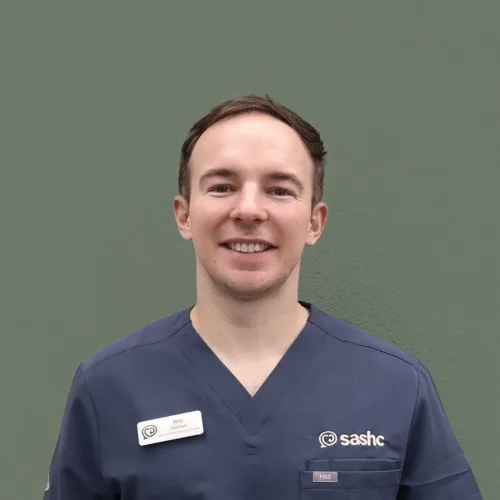
Ben
MAud, MAudA CCP
What Is a Hearing Aid?
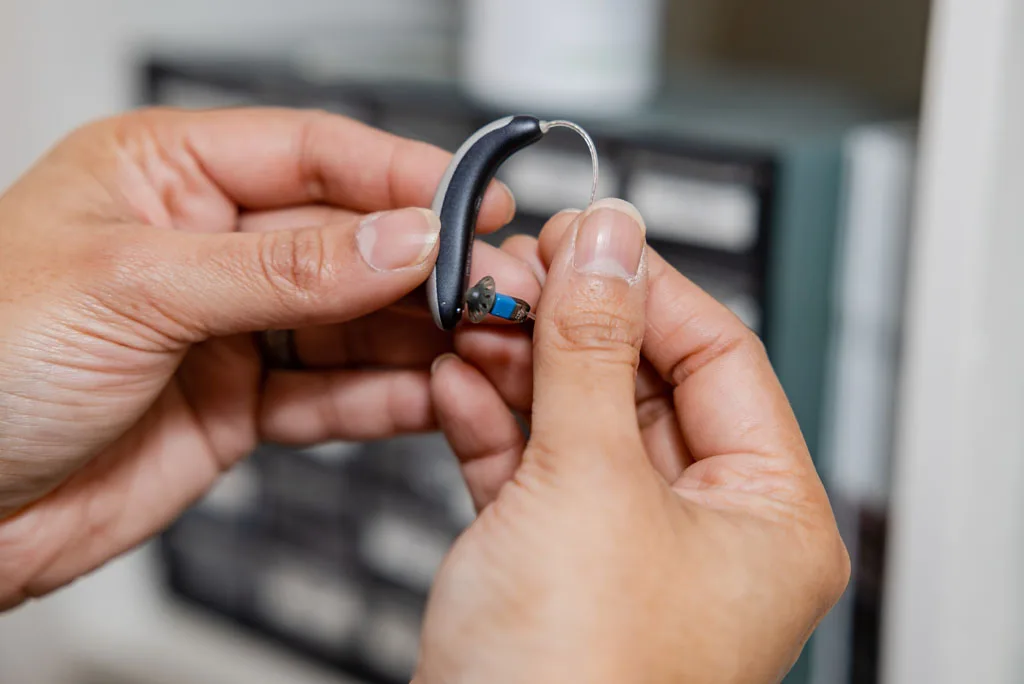
A hearing aid is a small electronic device that assists people with hearing loss to hear better by making sounds louder and clearer. It can be worn inside or outside the ear and consists of three core components: a microphone, amplifier/processor and a receiver/speaker.
How Modern Hearing Aids Work
Modern hearing aids operate by capturing sounds in your environment through the microphone, which are then processed and amplified according to your needs, and finally broadcast into your ear through a speaker.
These days, modern hearing aids contain advanced technology and are better described as communication devices rather than just simple amplifiers. This is because they contain a range of advanced features including bluetooth streaming, rechargeable batteries, tinnitus masking and smartphone app connectivity. Many newer models come standard with sophisticated technology such as dynamic gain adjustment across different environments, directional microphones and noise suppression, which offer further improvements to sound quality and enable a more natural listening experience. Most hearing aids could be considered as mini computers attached to your ear. They are that smart these days.
When Hearing Aids May Be Recommended
Our audiologists typically recommend hearing aids after a full diagnostic hearing assessment with results showing that your hearing loss will improve with the use of a hearing aid. For patients who experience hearing loss that can’t be managed with a hearing aid, we’ll recommend a medical referral, assistive listening devices or communication strategies.
Types of Hearing Aids We Offer in Adelaide
With many different designs to choose from, selecting the right style depends on your hearing loss severity, anatomy, dexterity, and lifestyle.
Behind-the-Ear (BTE) Hearing Aids
Suitable for mild through to profound hearing loss, BTE hearing aids are durable, easy to handle and well-suited to children and adults in need of robust amplification. They can be paired with custom-fit earmoulds for a secure fit in paediatric patients and assist with maximising sound delivery for patients experiencing severe hearing loss.
Receiver-in-Canal (RIC / RIE) Hearing Aids
Suitable for mild to severe hearing loss, RIC/RIE hearing aids are the most commonly fitted style in Australia today. It’s not hard to see why – they are discreet, lightweight, compatible with the widest range of features. These hearing aids are also one of the most comfortable types of hearing aids.
In-the-Ear (ITE) Hearing Aids
Best suited for mild to moderate hearing loss, ITE hearing aids are custom-moulded to sit within the outer ear or canal. They are popular with clients who want a cosmetically discreet option or find BTE styles uncomfortable with glasses. They are less effective for patients with severe hearing loss due to amplifier limitations and require finer motor skills to insert and remove, making them a dexterity challenge. Also not always suitable for those with very narrow ear canals or increased wax production.
Hearing Aids Features & Technology Options
Modern hearing aids continue to evolve and improve over time. They currently contain a range of advanced features and technology to offer users a cleaner, more natural listening experience.
Rechargeable lithium-ion batteries
A current industry standard for powering hearing aids, rechargeable lithium-ion batteries can be fully charged overnight and provide up to 30 hours of continuous use.
Direct Bluetooth to iPhone/Android
When paired with your mobile device, your hearing aid can make and receive phone calls, play music, videos, podcasts as well as GPS navigation instructions.
Smartphone app control
With smartphone connectivity enabled, many hearing aid manufacturers have made it possible to adjust and control your hearing aid settings remotely rather than manually by discreetly using an app on your phone.
Tinnitus sound therapy
To counteract the effects of tinnitus, modern hearing aids can emit background noises and modify sounds to improve your hearing quality and experience.
Telecoil for hearing loops
To enhance your ability to hear important announcements or participate in events which are broadcast through public sound systems, many hearing aids contain an inbuilt telecoil. The telecoil detects electromagnetic signals from nearby electronic broadcast systems and streams them directly into your hearing aid for clear, uninterrupted sound when you need it the most.
Auracast-enabled hearing aids
Auracast-enabled hearing aids put you in control of the sound around you. Using the latest Bluetooth® LE Audio technology, Auracast lets compatible hearing aids receive high-quality audio streams directly from TVs, public address systems, and other sources with no extra equipment or awkward pairing needed. Whether you’re watching a muted TV in a waiting room, catching gate announcements at the airport, or following a presentation in a lecture hall, Auracast delivers clear, low-latency sound straight to your ears, with better battery efficiency than older Bluetooth streaming. As more venues adopt this technology, Auracast is set to become the new standard for accessible, shared listening — and our team can help you find a hearing aid that’s ready for it.
Roger/remote microphone compatibility
For those with severe hearing loss, hearing aids containing remote microphone connectivity are an excellent option. Your hearing device can stream sounds directly from a remote microphone, which is often clipped onto a speaker’s clothing, bypassing distracting environmental noise, so you can hear the other person loud and clear.
Hearing Aid Brands We Supply
Because we are independent, we can access and fit the best hearing aids from many major global manufacturers including; Phonak and Unitron. The best brand for you depends on your audiogram, listening environments and handling preferences — not on what a clinic is contracted to sell.
Choosing Hearing Aids: A Practical Guide
Choosing a hearing aid can feel overwhelming; below is an impartial buyer’s guide to make sure that you end up with exactly what you need.
Questions to Ask Your Audiologist
Here are 6 questions that you should ask any audiology clinic before choosing their services:
- Are you independent, or contracted to a specific manufacturer?
- Do your clinicians earn commissions on hearing aid sales?
- What is the total price, including fitting, follow-ups, and warranty?
- Is there a trial period, and what are the return terms?
- What does aftercare include, and for how long?
Lifestyle Considerations
The more specific you are with stating your listening and hearing goals, the better that our clinicians can match the right technology to your precise needs. Consider situations where you struggle the most with your hearing, for example, when you’re at a restaurant, meeting, family gatherings or watching TV, taking a phone call, visiting a place of worship, or enjoying the great outdoors.
Red Flags to Watch For
- Same-day sales pressure
- Single-brand-only quotes
- Heavily discounted “specials” without itemised inclusions
- Vague aftercare terms
Our Hearing Aid Process: From Assessment to Aftercare
Getting the right hearing aid is a process, not a one-off sale. Here’s an overview of your 4–6 week journey from first appointment to settled use.
Diagnostic Hearing Assessment
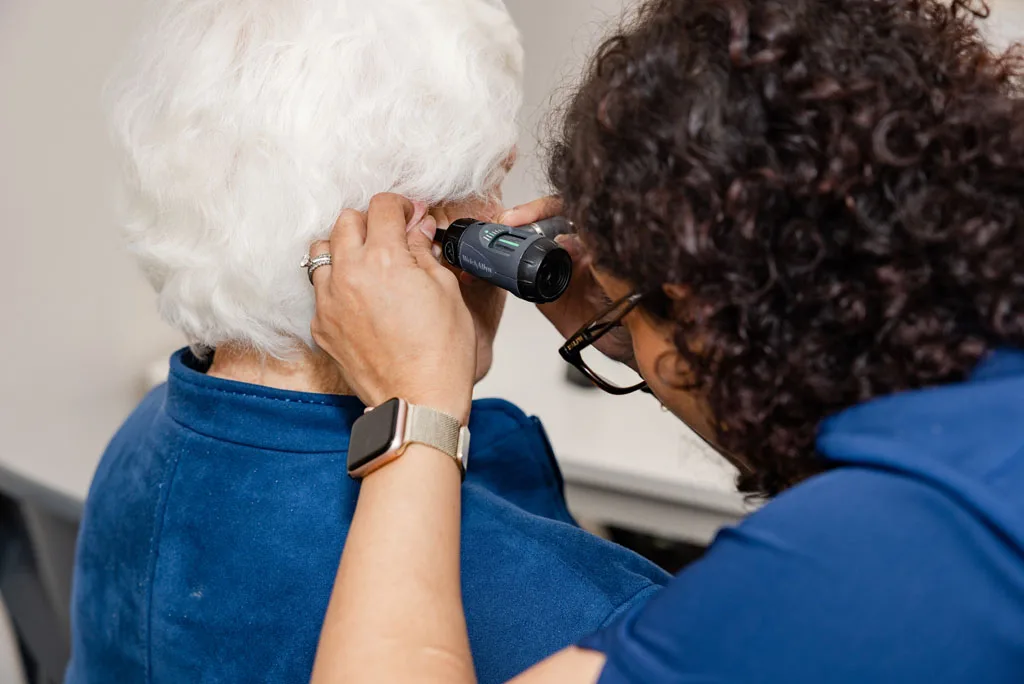
You’ll undergo a diagnostic test in a soundproof booth, as well as other functional tests including air conduction, bone conduction, speech discrimination and middle-ear function (tympanometry). Your primary communication partner is also more than welcome to accompany you to this appointment.
Needs Discussion & Device Selection
Your audiologist will discuss the test results with you and if clinically indicated, they’ll also suggest hearing aid options across technology tiers and price points. If you’re not ready to make any concrete decisions, we’ll provide a written recommendation for you to take home and consider. There’s absolutely no pressure to commit to a purchase on the day.
Fitting Appointment
Once your new hearing aid has arrived, we’ll make a fitting appointment for you to try it on. This normally happens approximately two weeks after we have put the order through. We will fit your hearing aid to your hearing loss and make sure you are comfortable with the settings. Your audiologist will also train you on insertion, cleaning, charging, and app pairing with your hearing aid.
Two-Week Follow-Up
To monitor your progress with your new hearing aid, we’ll schedule a review appointment. You can share any feedback at this visit, for example, the comfort, clarity, benefit, challenges that you’re experiencing. If needed, we’ll make programming adjustments and introduce communication strategies at this point.
Ongoing Aftercare
We recommend annual reviews for your hearing aids. These visits will include hearing aid cleaning, reprogramming and repairs which are supported for the life of the device.
What Our Clients Say
EXCELLENT Based on 40 reviews
 Posted on Google
 Zahra Sasani
Trustindex verifies that the original source of the review is Google.
We had a very positive experience at SA Speech & Hearing Centre. The staff were friendly, professional and very caring with my children. Everything was explained clearly, and we felt very comfortable throughout the appointments.Posted on Google Trevor JeffreyThey were polite, explained everything and offered to explain more about what is going on and how it all works were great with communication and overall all they were great.Posted on Google
 AngieLovely experience here for little miss 7, having her hearing tested with Ben. Warm and welcoming staff at the front desk. Ben was very kind, engaging, and caring and left us feeling supported. 5 stars. Thank you!!Posted on Google
 ellie wFront office staff were professional, helpful, and friendly. My Audiologist Rachel is amazing. She explained every step of the tests along the way and answered all of my questions. She is very professional, personable, and I am delighted to have Rachel as my audiologist.Posted on Google
 Manpreet KaurI have very good experience with staff member. They are very friendly and respectful.Posted on Google
 Petra HuntMy 2 year old, energetic, daughter had her audiology test completed here prior to having her adenoids out to determine the need for grommets. Rachel, and admin, were so understanding and accommodating of her energy and short attention span. Turned what could have been a stressful experience into a very positive one where she had fun. Thank you to the team!
FAQs About Hearing Aids in Adelaide
Will hearing aids help me hear well?
It is important to understand that hearing aids will help with your hearing, however, how well you communicate will depend on you. Hearing aids on their own improve sound clarity and volume but if they are not worn consistently and used optimally, you will not be getting the most out of them. Understanding what hearing aids do and how to best use them is an important factor to success and can significantly improve quality of life for those with a hearing loss.
How Can Hearing Aids Help Reconnect with Friends and Family?
They can enhance a person’s quality of life by providing more clarity and volume of sound. They facilitate communication in people who have difficulty with hearing, thus reducing stress associated with listening. Hearing aids also foster better social interactions for those using them. Digital aids are the newest models of electronically enhanced hearing devices, with many enhanced features like Bluetooth connectivity and noise reduction.
Do All Hearing Aids Work the Same Way?
Not all hearing aids work the same way. They can vary in design, technology, and features. Some do basic amplification; others, like the new digital hearing aids, offer sophisticated sound processing, active noise cancellation, and connectivity. An audiologist can help determine which features are most beneficial for your specific hearing needs.
Which Hearing Aid Will Work Best for My Hearing Loss and Budget?
The best hearing aid for anyone will depend on several factors: the degree of hearing loss, lifestyle, and personal preference. An audiologist will have to assess your problem thoroughly to suggest the appropriate hearing aid. Different brands, like Phonak, will have variations for various types of hearing problems.
What Questions Should I Ask my Local Audiologist Before Buying a Hearing Aid?
Before you decide to purchase a hearing aid, all the information that will be needed should be brought forward so that you can make the best decision for your specific hearing needs. Consider asking these questions:
First, see an audiologist to discuss your hearing loss lifestyle, and general preferences for the most appropriate type of hearing aid. This option includes in-the-ear (ITE), behind-the-ear (BTE), and receiver-in-canal (RIC) aids.
Request for a trial period with the hearing aid to ensure it meets your expectations in real-world environments. This period allows you to adjust to the aids and make necessary tweaks.
Be aware of the warranty terms: what is covered and for how long? Ask about their repair policy and what procedure they follow in case of issues with the hearing aid.
Look into the available features that will improve the experience, such as Bluetooth, noise reduction, and rechargeable batteries.
Discuss the recommended schedule for follow-up appointments to adjust settings and ensure optimal performance. Regular check-ins help maintain the functionality of your hearing aid.
Request a detailed breakdown of all costs involved, including the price of the hearing aid, fitting fees, and follow-up appointments. Understanding the total financial commitment helps avoid unexpected expenses.
These questions can guide you toward a very informed decision about making sure that your hearing aid truly enhances the quality of life.
How Can I Adjust to My Hearing Aid?
Getting used to wearing a hearing aid takes time. Initially, wear your hearing aid for a few hours a day, then gradually increase the time as you become more comfortable with it. Get involved in different listening situations and see your audiologist regularly for fine-tuning to improve the quality of sound and comfort of the device. Most hearing aids now allow you to connect and make changes to your hearing aids through an app on your phone. Your audiologist will show you how to maximise outcomes with your new hearing aids and the use of the app.
How Can I Care for My Hearing Aid?
Proper care of your hearing aid is essential to ensure its optimal performance and longevity. This includes cleaning your device frequently according to the instructions as provided by the manufacturer. This involves using a soft, dry cloth and specialised cleaning tools that help clear earwax and debris.
When not in use, store your hearing aid in a safe, dry place, preferably in a protective case. Avoid exposing it to extreme temperatures or environments, such as leaving it in a hot car or near a window.
Furthermore, visit your audiology clinic for regular checkups to keep your devices in order. Such visits will help your audiologist make any needed adjustments and ensure your hearing aid is perfectly working, in addition to solving other concerns. Regular maintenance and professional cleaning can extend a hearing aid’s lifetime by many years and improve one’s listening experience.
Contact Us for a Hearing Test in Adelaide
Book Your Adelaide Session Today
Don’t let hearing loss overcome your life – we offer limited wait times for comprehensive hearing tests at our two conveniently located clinics in Mawson Lakes and Cumberland Park. For a family friendly audiologist that offers the latest technology in hearing aids, call SASHC on 08 8272 9997, or fill out the enquiry form below for a callback request. Your information is kept confidential in line with our Confidentiality Policy.
We accept all health funds


Product partners




Government Funded Schemes